
What Is Bullion? Value & How to Sell | Haven Coin
 By Matt Pavia · 2026-08-26 · 6 min read
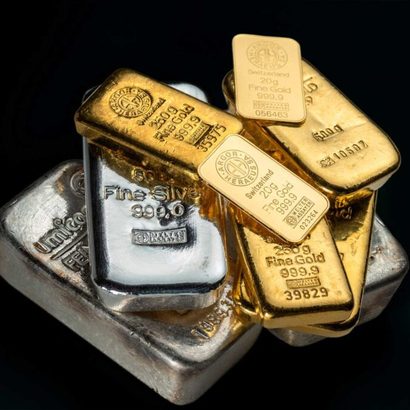
What Is Bullion?
Bullion is precious metal, usually gold, silver, platinum, and palladium, valued primarily for its metal content rather than for any collector, historical, or design appeal. It typically comes in the form of bars, rounds, or investment-grade coins, and its purity is usually .999 fine or better.
The defining feature of bullion is that its price tracks closely with the metal's current spot price, the real-time market rate for one troy ounce of that metal. Unlike a rare coin, where scarcity, condition, and collector demand can push value far above the metal it contains, bullion is meant to be a relatively pure, transparent way to own the metal itself. That makes it appealing to people who want direct exposure to gold or silver prices without needing deep numismatic knowledge. For a beginner, understanding this distinction between bullion and collectible coins is the first step to knowing what you actually own and how to price it fairly.
How Much is Bullion Worth?
Bullion's value starts with a simple calculation: its weight in troy ounces multiplied by the current spot price of its metal, then adjusted for purity. A 1-ounce silver round at .999 fine, for example, is worth almost exactly one ounce's worth of the current silver spot price, since there's essentially no other value on top.
In practice, the price you'd pay to buy bullion, or receive when selling it, differs from the pure spot calculation because of dealer premiums. Sellers add a markup to cover minting, distribution, and their margin, and they typically pay somewhat less than spot when buying bullion back, to cover their own costs and risk. Because spot prices move constantly during market hours, bullion's dollar value is a moving target. The weight and purity are fixed, but the price multiplier changes throughout the trading day. This is different from a rare coin, whose price is set more by scarcity and collector demand than by any single daily number.
What Are Bullion Coins?
Bullion coins are coins struck primarily for their metal content rather than their design or collectibility, though they're still official legal tender issued by a government mint. Well-known examples include the American Gold Eagle and American Silver Eagle, the Canadian Gold and Silver Maple Leaf, the South African Krugerrand, and the Austrian Gold Philharmonic.
What separates a bullion coin from a numismatic (collectible) coin is how its price is determined. A bullion coin's value tracks the spot price of the metal it contains, plus a modest, fairly predictable premium for minting and government backing. A numismatic coin's value can be driven far higher by rarity, historical significance, or condition, independent of its metal content. This is the same reason a common-date Morgan silver dollar and a key-date 1893-S Morgan dollar can be worth wildly different amounts despite containing identical silver weight. Bullion coins are popular with investors specifically because their pricing is transparent and easy to track against daily spot prices.
Is JM Bullion Legit?
JM Bullion is a real, established online precious metals dealer, not a scam. It's a Dallas-based dealer that holds an A+ rating and accreditation with the Better Business Bureau. The company has been operating since 2011 and ships a high volume of orders each year.
Customer feedback is generally positive but mixed depending on the platform. Reviews skew strongly favorable, with a portion of complaints tied to shipping delays during volatile market periods. As with any bullion dealer, the listed price isn't necessarily the final price. Surcharges depending on payment types and a dealer spread over spot are standard in this industry and worth factoring in before comparing prices across sellers. The larger takeaway for beginners: JM Bullion is a legitimate option among many, but it's worth comparing pricing, shipping policies, and buyback terms across a few reputable online or local dealers before making a purchase.
What Bullion Bars Are Common?
The most widely bought and sold bullion bars come in a handful of standard sizes. For silver, 1-ounce, 10-ounce, and 100-ounce bars are the most common among individual buyers, along with kilogram bars. For gold, 1-ounce and 1-gram bars are the most typical sizes sold to individual investors.
Smaller bars generally carry a higher percentage premium over spot price, since fixed manufacturing costs are spread across less metal, while larger bars carry a lower percentage premium since those same costs are spread across more weight. Reputable bars come from well-known refiners, such as PAMP Suisse, the Royal Canadian Mint, Credit Suisse, and the Perth Mint. These bars are usually stamped with weight, fineness, and a serial number. For a beginner, sticking to bars from recognized refiners makes both buying and eventually reselling significantly easier.
How Is Bullion Valued?
Bullion is valued primarily through a straightforward formula: weight multiplied by current spot price, adjusted for purity. A silver bar's silver content and a gold bar's gold content are fixed the moment they're made, so the only variable that changes day to day is the spot price itself, which is set by global commodities markets and fluctuates constantly during trading hours.
On top of that baseline calculation, real-world pricing includes a dealer premium that includes seller charges over spot to cover minting, distribution, and margin, and the discount a buyer applies when purchasing bullion back from a customer. Unusually high demand during periods of economic uncertainty can widen premiums even when the underlying spot price hasn't moved. Unlike collectible coins, where grading, rarity, and eye appeal all factor into value, bullion's valuation stays close to this simple aforementioned formula, which is part of why it's considered a more transparent, easier-to-price form of precious metal ownership.
How Do You Sell Bullion?
Selling bullion is generally simpler than selling collectible coins, since there's no grading or condition analysis involved. Local coin and bullion dealers, precious metals exchanges, and reputable online bullion buyers will typically offer a price close to spot, minus a small margin to cover their own costs.
It's worth getting more than one quote before selling, since dealer buyback margins can vary meaningfully between sellers. Bullion from recognized refiners with intact packaging or assay certificates, and coins in original, undamaged condition, will generally fetch a cleaner offer than bars with broken seals or heavily worn coins, since the buyer may need to re-verify the metal content before reselling it. If you're located in Connecticut or the surrounding area, Haven Coin & Jewelry in Hamden is a licensed dealer rated 5.0 stars on Google that can test and price bullion in person the same day, which is often faster and more transparent than shipping metal off to an online buyer sight unseen.
FAQ: Bullion
Is bullion worth buying?
For many investors, yes! Bullion offers a straightforward, transparent way to own physical gold or silver, though it doesn't pay dividends or interest like traditional investments.
How much is bullion worth?
Its weight multiplied by the current spot price of the metal, plus or minus a dealer premium depending on whether you're buying or selling.
What bullion coins are valuable?
Widely recognized coins like the American Gold Eagle, American Silver Eagle, and Canadian Maple Leaf hold steady value tied to spot price and strong resale liquidity.
Where can I sell bullion?
Local coin and bullion dealers, precious metals exchanges, and reputable online buyers are the main options. Comparing a few quotes helps ensure a fair price.
Written by
Matt Pavia
Founder & Owner, Haven Coin & Jewelry
Matt Pavia is a licensed Connecticut precious metals dealer, ANA member, and GIA-trained appraiser with 8 years of experience buying coins, gold, and jewelry. He founded Haven Coin & Jewelry in Hamden, CT in 2025 and is insured through Lloyd's of London.
About Matt & Haven Coin →Ready to get a professional evaluation? Visit us at 2285 Whitney Ave, Hamden CT or call (203) 717-4921.
Book Free Appointment