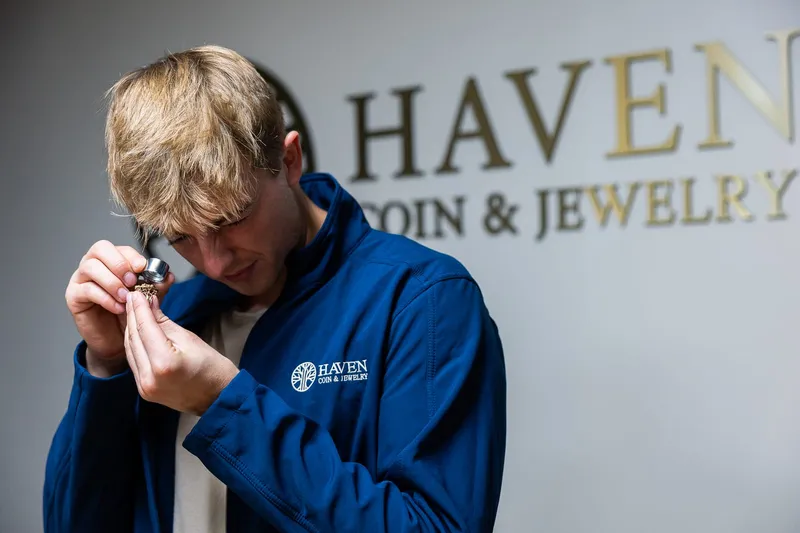

Know Which Parts of the Item You Are Being Paid For
An intact object is not necessarily one metal throughout. A class ring can have a stone or insert, a watch can have a non-gold movement, and a serving piece can contain a weighted base. We explain how the actual construction affects the assessment rather than use the weight of the entire object as though every part were precious metal.
Buyers in Bristol and Waterbury give Plymouth households other options to consider. When comparing proposals, check that they cover the same items and use compatible weight units and tested purity categories. Ask how stones, repairs, and any value as an intact piece were handled. Our written offer is intended to make that comparison possible, with no requirement that you accept it at the appointment.
Before bringing a family group, keep each person’s items together and set aside anything being retained. Photographs help us arrange sufficient time for mixed jewelry, watches, dental material, and sterling. Avoid dismantling objects or paying for repairs solely to prepare them for sale. Bring records that help identify a piece, but do not worry if an older stamp is unreadable. We buy material at our counter and explain the findings while you can see the items.

Different Objects Call for Different Checks
Karat, color, and unfamiliar marks
A stamp is a starting clue, not a substitute for examining the material. We check purity and explain why two similarly sized pieces can contain different amounts of gold. Yellow, white, and rose colors reflect alloy choices without establishing a specific karat by themselves. Repairs or replacement components may also differ from the original item. Ask which tested category applies to each group, and how that category relates to the metal portion of the written purchase offer.
Class rings and wedding jewelry
A graduation ring, wedding band, or mismatched earring can be reviewed without being repaired first. Stones and non-gold inserts contribute to gross weight but do not automatically count as payable gold. We identify the relevant components and consider whether an intact piece has additional market interest. Original retail cost and sentimental significance are different from resale value. Keep pairs or matching sets together, and tell us which items are unavailable before we prepare the proposal.
Dental material, broken chains, and layered gold
Dental alloys have varying compositions, so the actual material needs checking rather than a fixed assumption about purity. Broken chains may retain precious-metal value even when repairing them would not make financial sense. Gold-filled and plated pieces contain layers that must be distinguished from solid gold; valuing the whole item as solid material would misstate its content. Leave attached parts in place for the evaluation and ask how non-metal material is treated. A missing hallmark alone does not settle what an object contains.
Watch cases and gold bullion
Older watches deserve particular care because a gold-colored case may be solid gold, gold-filled, or plated. The movement, crystal, and other fittings should not be counted as though they were all gold. Maker, model, condition, and demand may also matter to the complete watch, so do not dismantle it before an examination. Gold coins and bars require their own authenticity, weight, and fineness checks. A collectible coin may warrant consideration beyond bullion, while ordinary material is assessed with current market conditions in view.
Platinum and silver
Platinum uses its own purity categories and metal-price basis. Sterling flatware and serving pieces need attention to marks, construction, and actual silver content, especially when handles or bases contain filling. Many pieces are assessed primarily for metal, although some makers and patterns may attract greater demand. Bringing a set together allows that possibility to be considered. We describe what affects the offer without assuming every inherited household item carries a premium merely because it has been kept for decades.
The written proposal sets out the relevant tested material and weights, with the market basis and any additional value explained. If you accept, Haven pays by check the same day and provides a record of the purchase.
Directions from Plymouth
Two routes from Plymouth to our Hamden shop at 2285 Whitney Ave.
Via Route 8 and Cheshire
From Plymouth, reach Route 8 south in Thomaston, then follow I-84 east through Waterbury. Take exit 26 for Route 70 east in Cheshire and connect with Route 10 south toward Hamden and our address. The checked trip showed 28.8 miles and 36 minutes from the town starting point. Allow extra time for traffic and the drive from your own neighborhood. At 2285 Whitney Ave, our sign, entrance, and parking are behind the light blue building.
Via the Wilbur Cross Parkway
The highway alternative also begins on Route 8 south and I-84 east, but continues to I-691 east and Route 15 south rather than taking the Cheshire surface-road approach. Leave the Wilbur Cross Parkway at exit 52 for Whitney Avenue and continue to the shop. This option showed 40.0 miles and 39 minutes when checked. Compare current navigation before departure: a longer route can sometimes avoid slower local roads, and Terryville or Pequabuck starting points may favor a different approach.

Our Address
2285 Whitney Ave, Hamden, CT 06518
About 35–45 min from Plymouth
Questions About Selling Gold from Plymouth
Straight answers to the questions we hear most from Plymouth residents.
Helpful Resources
Everything you need to know before your visit from Plymouth.
Gold Jewelry Evaluations
Prepare questions about the pieces you may sell.
Learn moreItems Haven Buys
See which parts of an estate can be reviewed.
Learn moreSchedule an Evaluation
Make time for a mixed collection and its paperwork.
Learn moreUnderstanding Gold Karat
Connect purity with the amount of gold present.
Learn moreReading the Gold Spot Price
Know what a market quotation does and does not mean.
Learn moreGold-Filled Jewelry
Distinguish layered construction from solid gold.
Learn moreUnderstanding Silver Melt Value
Connect silver content with the underlying metal calculation.
Learn more