
Old Penny Value Guide: Which Pennies in Your Jar Are Worth Money
 By Matt Pavia · 2026-07-08 · 6 min read
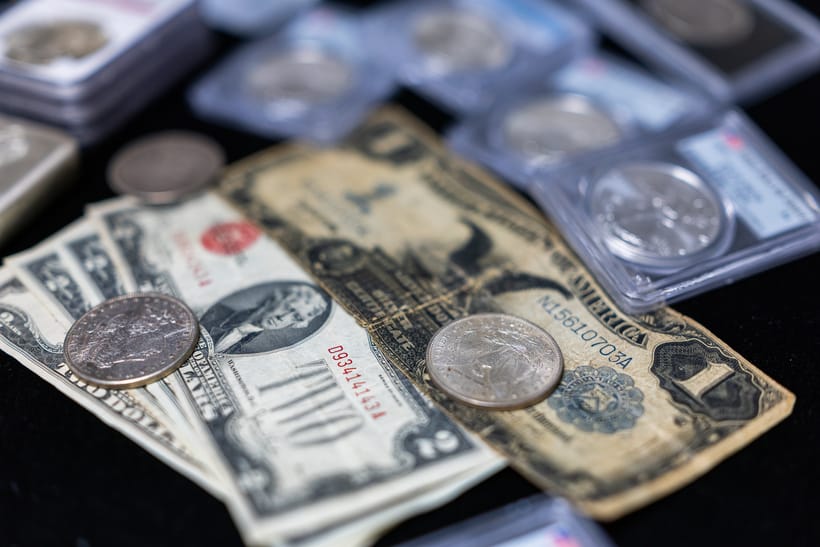
Are any old pennies actually worth money?
Some old pennies are worth money — real money. A vast majority of old pennies are not worth more than a few cents because they were made in huge numbers and many survive today. A few types of pennies, however, are genuinely valuable. The 1909-S VDB penny, for example, is valuable because so few are in circulation. Look for the letters "V.D.B." at the very bottom center of the coin's reverse side to identify this penny. The 1914-D penny is also valuable because of its scarcity. To identify this rare coin, look for a "D" under the mint date (1914) on the front of the coin. The 1931-S depression era cent, with an "S" under the 1931 mint date, is also a highly coveted coin. Additionally, 1955 doubled-die pennies are also highly sought after because of a printing error, and only 24,000 of these pennies made it into circulation. Lastly, while collector's coins may be worth thousands of dollars, common wheat pennies (1909-1958) can be worth more than face value if they are in excellent condition. If you have questions about pennies that you own or believe that you own valuable pennies, bring them to Haven Coin and Jewelry for a FREE evaluation!
Which pennies should you pull out of your change jar first?
Most pennies in a change jar are only worth face value, but a few are worth setting aside. First, check for key dates. The 1909-S VDB, 1914-D, and 1931-S pennies, which are valuable because of low circulation, are key pennies and dates that collectors seek. Additionally, the 1943 bronze penny (instead of the common steel version) as well as the 1944 steel penny, both of which contain rare mintage totals, are often valuable to collectors. Watch for the 1955 doubled-die penny, where the date and lettering appear clearly doubled, as well! Keep all wheat pennies (1909-1958), especially those in sharp condition, since many are worth more than one cent. Finally, inspect unusual errors on older pennies, such as off center strikes or doubled designs, which can add significant value.
What are Indian Head pennies worth?
Most Indian Head pennies, minted from 1859 to 1909, are worth more than face value. Their prices depend on the date, mint mark, rarity, and condition. Common examples in "good" condition will sell for a few dollars. Nicer circulated coins in excellent condition can bring in $20-$100 dollars. Key dates, such as the 1877 Indian Head penny and the 1909-S, are highly desirable and can be worth hundreds of dollars. As with other pennies, check for original color, minimal wear, or rare minting errors. Lastly, if you find an Indian Head penny, avoid cleaning it, as cleaning can reduce its value.
Why are 1982 and earlier copper pennies different?
Prior to 1982, U.S. pennies were made from about 95% copper. As copper prices climbed in the late 70s and 80s, it became too expensive to keep making coins out of copper. In 1982, the U.S. Mint switched to a 97.5% zinc core coated with 2.5% copper. The easiest way to tell pre-1982 pennies and post-1982 pennies apart is to use the weight test. The older copper pennies weigh 3.11 grams, while the newer zinc pennies weigh 2.5 grams. Many coin collectors sort pre-1982 pennies because of their higher copper content.
What error pennies are worth the most money?
Most error pennies are only worth a small premium, but a few famous mistakes can sell for hundreds or thousands. The 1955 doubled-die penny is the most famous error penny. The date and lettering appear dramatically doubled and are easy to see without magnification. The 1972 doubled-die penny is another popular doubled-die variety with strong doubling on the date and inscriptions. Off-center strike pennies, where the coin is struck off-center while still showing the full date, are also desirable. If you think you've found an error penny, compare it to verified examples before assuming it is valuable, as many coins with damage are often mistaken for true mint errors.
How do you check a penny's mint mark and why does it matter?
A penny's mint mark tells you which U.S. Mint facility produced the coin. On most cents, it's located just below the date on the front, although older coins may have the mark in a different location, depending on the design. Common mint marks include a D (made at the Denver Mint), S (made at the San Francisco Mint), or no mint mark (made at the Philadelphia Mint). When checking your pennies, always look at the date and mint mark together. A certain date from a certain mint could be worth hundreds of dollars in the right condition, such as the 1909-S, 1909-S VDB, and 1914-D, among others.
Old penny value table: key dates and what they sell for
These values represent retail ranges for key-date Lincoln and Indian Head cents. Condition dramatically affects price — a single grade point on a rare coin can mean thousands of dollars.
| Key Date Penny | Price (Good Condition) | Price (Mint State, MS-65) |
|---|---|---|
| 1909-S VDB | $875 | $4,000 |
| 1909-S | $100 | $700 |
| 1914-D | $185 | $8,150 |
| 1922 No D (Plain) | $700 | $72,500 |
| 1931-S | $85 | $450 |
| 1955 Doubled-Die | $1,200 | $9,000 |
Values as of July 2026 and vary with condition and market — verify rare finds with a professional evaluation.
Should you clean old pennies before selling them?
You should NOT clean old pennies before selling them! While it may seem like the intuitive thing to do, cleaning removes the coin's natural surface and leaves tiny scratches that permanently reduce its value. Most buyers and professional coin graders prefer coins with their original, untouched appearance, even if they look dark or tarnished. If you think you've found a valuable penny, handle it by the edges, store it in a protective holder, and have it evaluated before doing anything else. A dirty coin is usually worth more than a cleaned one. Read our full guide on why cleaning coins destroys their value.
Where can you get pennies appraised in Connecticut?
Haven Coin and Jewelry is one of Connecticut's reputable dealers that offers FREE penny appraisals. If you have a large collection, consider getting quotes from two or three dealers so you can compare the appraisals.
FAQ: Old penny values
Is a 1943 steel penny rare?
Most 1943 steel pennies are common and worth about 10 cents to a few dollars in circulated condition. However, rare 1943 copper pennies are among the most valuable U.S. coins and can sell for hundreds of thousands of dollars.
What's the difference between a wheat penny and an Indian Head penny?
A wheat penny was minted from 1909–1958 and features two wheat stalks on the reverse. An Indian Head penny was minted earlier, from 1859–1909, and generally commands higher values because of its age and lower surviving numbers.
Are 1950s pennies worth anything?
Most are worth only a few cents to a few dollars, but coins in uncirculated condition, key dates, or with major mint errors can be worth much more.
How do I sell a jar of old pennies?
Sort out wheat pennies, Indian Head pennies, 1982-and-earlier copper cents, and any coins with unusual dates or errors. Don't clean them. Then have the collection appraised by a reputable coin dealer to identify anything valuable before selling.
Written by
Matt Pavia
Founder & Owner, Haven Coin & Jewelry
Matt Pavia is a licensed Connecticut precious metals dealer, ANA member, and GIA-trained appraiser with 8 years of experience buying coins, gold, and jewelry. He founded Haven Coin & Jewelry in Hamden, CT in 2025 and is insured through Lloyd's of London.
About Matt & Haven Coin →Ready to get a professional evaluation? Visit us at 2285 Whitney Ave, Hamden CT or call (203) 717-4921.
Book Free Appointment