
What Happens to Jewelry During an Estate Sale in Connecticut?
 By Matt Pavia · 4 min read
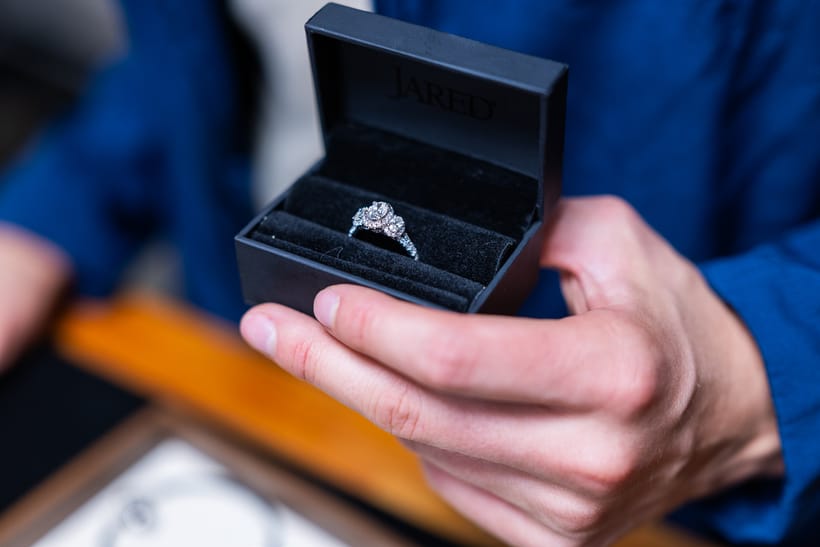
Estate sales are convenient, but convenience has a cost. Jewelry sold through estate sales typically recovers only a fraction of its actual resale value — sometimes less. The families we work with in Connecticut are often surprised to learn what their pieces are actually worth compared to what an estate sale would have recovered.
How Estate Sale Companies Handle Jewelry
Most estate sale companies are generalists — they sell furniture, household goods, collectibles, and everything in between. Jewelry evaluation is not their specialty. Estate sale organizers typically research prices online or make educated guesses based on appearance, often missing crucial factors that determine real value.
Fine jewelry, vintage pieces, and items with gemstones require professional assessment. An estate sale might price a 14K gold bracelet at $100 based on appearance, when its melt value alone is $300 and its antique design adds another premium for collectors.
Why Jewelry Gets Undervalued at Estate Sales
Estate sale pricing focuses on quick turnover rather than maximum value. Organizers want items sold within a weekend, which means aggressive pricing to move inventory. Jewelry that could fetch top dollar from a specialized buyer gets discounted to ensure a sale.
Another problem is authentication. Estate sales rarely include professional testing for gold purity, diamond quality, or gemstone authenticity. Buyers at estate sales know this and factor that uncertainty into their offers, bidding lower to account for risk.
What You Should Do Instead
Before agreeing to include jewelry in an estate sale, have it professionally evaluated by a licensed precious metals dealer. This evaluation should include testing for metal purity, assessing gemstones, and identifying any maker's marks or hallmarks that indicate designer or antique value.
In Connecticut, licensed dealers must follow specific regulations when purchasing precious metals and jewelry. We see this regularly with customers who visit our Whitney Ave location after getting estate sale quotes — the difference between what they were offered and actual market value is often shocking. These protections work in your favor. Professional dealers provide documentation, explain their evaluation process, and offer prices based on current market rates rather than estate sale guesswork.
Protecting High-Value Pieces
If the estate includes fine jewelry, vintage pieces, or items with significant gemstones, remove these from the estate sale entirely. Sell them separately through a specialized dealer who understands their true value. Estate sale companies typically charge 30-40% commission on everything sold — paying that premium on undervalued jewelry means losing money twice.
Antique jewelry, signed designer pieces, and items containing precious gemstones should never be sold in bulk or bundled with costume jewelry. Each piece deserves individual assessment and proper marketing to the right buyers.
Connecticut Estate Laws and Jewelry
Connecticut estate law requires proper valuation of assets for tax purposes. Undervaluing jewelry at an estate sale doesn't change its actual worth for estate tax calculations. Getting a professional evaluation serves dual purposes — ensuring you receive fair value when selling and providing required documentation for estate settlement.
If you're the executor of an estate, you have a fiduciary duty to maximize the estate's value for beneficiaries. Selling valuable jewelry through an estate sale without proper evaluation could expose you to liability if beneficiaries later discover the items were worth significantly more.
Estate Sale vs. Specialized Dealer — A Quick Comparison
| Factor | Estate Sale | Specialized Dealer |
|---|---|---|
| Pricing basis | Visual guess, online search | Professional testing + live spot price |
| Typical recovery | Fraction of actual value | Offers based on live spot price |
| Commission | 30–40% to the company | No commission — direct offer |
| Gemstone evaluation | Rarely included | Evaluated separately |
| Designer premium | Usually missed | Recognized and paid |
What to Remove From an Estate Sale Before It Happens
- All fine gold and platinum jewelry
- Any jewelry with diamonds or colored gemstones
- Pieces with hallmarks from recognized designers (Tiffany, Cartier, David Yurman)
- Antique or vintage jewelry from the Georgian, Victorian, or Art Deco periods
- Any coins or silver pieces mixed in with the jewelry
Frequently Asked Questions
Can't the estate sale company just have the jewelry appraised first?
Most don't — and those that do often use generalist appraisers rather than precious metals specialists. The safest approach is to remove high-value pieces before the sale and have them evaluated independently.
What if the estate sale is already scheduled?
It's not too late to pull specific pieces before the sale starts. You can add them back later or sell them separately. Most estate sale companies will accommodate this if you act before setup is complete.
Does selling separately require a formal evaluation document?
Not for the sale itself — but if the estate requires asset documentation for tax purposes, a licensed dealer can provide a written offer letter that serves this function.
Written by
Matt Pavia
Founder & Owner, Haven Coin & Jewelry
Matt Pavia is a licensed Connecticut precious metals dealer, ANA member, and GIA-trained appraiser with 8 years of experience buying coins, gold, and jewelry. He founded Haven Coin & Jewelry in Hamden, CT in 2025 and is insured through Lloyd's of London.
About Matt & Haven Coin →Ready to get a professional evaluation? Visit us at 2285 Whitney Ave, Hamden CT or call (203) 717-4921.
Book Free Appointment