
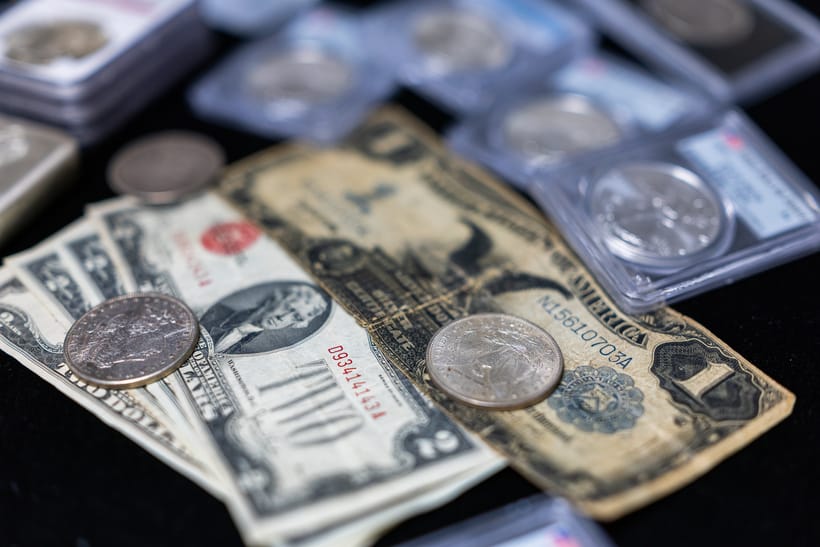
Most inherited coin collections we evaluate at Haven Coin & Jewelry contain at least one coin worth significantly more than face value — and most sellers have no idea which one it is. The challenge is that valuable and common coins look almost identical to an untrained eye. Knowing the difference before you sell can mean thousands of dollars in your pocket instead of someone else's.
Understanding What Makes a Coin Valuable
Not all old coins are valuable. Age alone doesn't determine worth. What matters is rarity, condition, historical significance, and collector demand. A 1909-S VDB Lincoln cent in mint condition can be worth over $1,000, while a worn 1950s wheat penny is worth about two cents.
Professional coin dealers evaluate collections based on three primary factors: numismatic value (collector interest), bullion value (metal content), and condition (grading). Most inherited collections contain a mix of all three categories.
Red Flags That Indicate Real Value
Certain indicators suggest your grandfather's collection may contain genuinely valuable pieces. Coins stored in professional holders from PCGS or NGC (the two major grading services) have already been authenticated and graded. These are worth researching individually.
Pre-1965 U.S. silver coins — including dimes, quarters, and half dollars — contain 90% silver and have inherent bullion value. But some dates and mint marks within this category are far more valuable to collectors than their silver content alone.
Common Mistakes When Selling Inherited Coins
The biggest mistake sellers make is accepting the first offer without understanding what they own. Pawn shops and gold buyers often pay only bullion value, even for coins with significant numismatic premiums. A Walking Liberty half dollar from 1921 might be worth $150 to collectors, but a bullion-only buyer will offer about $23 based on silver content alone. Prices move every trading day — you can check the live number anytime with our free calculator at meltcalculator.com.
Another common error is cleaning coins before selling. Cleaning coins destroys their value. Even gentle cleaning can reduce a coin's worth by 50% or more. Leave coins exactly as you found them.
How to Get a Proper Evaluation
Start by organizing the collection and photographing any coins that appear unusual or are stored in protective holders. Visit a licensed precious metals dealer who specializes in numismatics, not just bullion. A proper evaluation examines each coin individually rather than offering a flat rate based solely on weight.
Expect the evaluation to take time. Rushing the process or selling to the first buyer without proper assessment typically results in leaving money on the table. In our experience at Haven Coin & Jewelry in Hamden, the most valuable discoveries happen when sellers take time to have each coin properly assessed rather than accepting bulk offers. Reputable dealers will explain their evaluation process and show you current market comparisons for valuable pieces.
What to Do Before You Sell
Document everything. Take photos, create an inventory list, and get multiple evaluations if the collection appears valuable. Connecticut law requires precious metals dealers to maintain transaction records, which protects both buyers and sellers.
Understand the difference between spot price and numismatic value. Spot price refers to the current market value of the metal content — this is the baseline. Numismatic value is the premium collectors pay for rare or historically significant coins. A proper evaluation accounts for both.
Quick Checklist Before Selling an Inherited Coin Collection
- Do not clean, polish, or wipe any coins
- Keep all original packaging, holders, and certificates together
- Photograph any coins in professional grading holders (PCGS, NGC)
- Note any coins dated before 1965 — these contain silver
- Bring valid government-issued ID to your evaluation appointment
- Get at least two evaluations before accepting any offer
Bullion Value vs. Numismatic Value — What's the Difference?
| Type | What Drives Value | Example |
|---|---|---|
| Bullion | Metal content × spot price | Common 1921 Morgan dollar at silver melt |
| Numismatic | Rarity, condition, collector demand | 1909-S VDB Lincoln cent worth $1,000+ |
| Both | Metal content + collector premium | Key-date silver dollar with strong grade |
Frequently Asked Questions
Should I clean the coins before bringing them in?
No. Never clean inherited coins. Cleaning destroys the original surface and can reduce value by 50 to 90 percent. Bring everything exactly as found.
How do I know if any coins are rare?
You don't need to know before your evaluation — that's what the evaluation is for. Just keep everything together and let a professional examine each piece.
Do I need to have the collection evaluated for estate purposes?
If the estate is going through probate, a formal evaluation may be required for tax purposes. A licensed dealer can provide documentation suitable for estate settlement.
What if the collection is very large?
Book an appointment rather than walking in. Large collections deserve dedicated, unhurried attention. We accommodate collections of any size at Haven Coin & Jewelry.

Written by
Matt Pavia
Founder & Owner, Haven Coin & Jewelry
Matt Pavia is a licensed Connecticut precious metals dealer, ANA member, and GIA-trained appraiser with 8 years of experience buying coins, gold, and jewelry. He founded Haven Coin & Jewelry in Hamden, CT in 2025 and is insured through Lloyd's of London.
About Matt & Haven Coin →Ready to get a professional evaluation? Visit us at 2285 Whitney Ave, Hamden CT or call (203) 717-4921.
Book Free Appointment